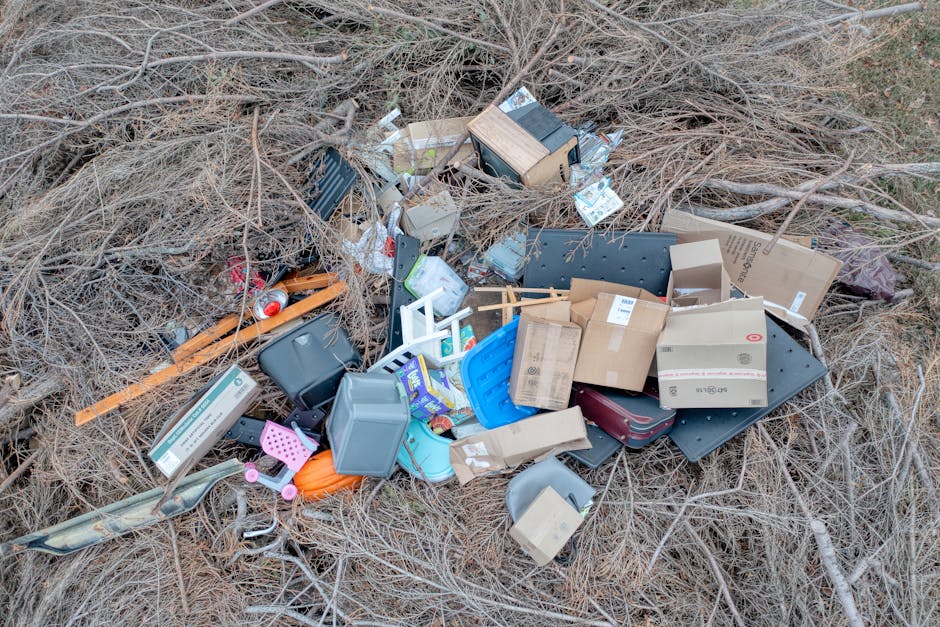
Common problems with rubbish clearance in Mitcham flats
If you live in a Mitcham flat, rubbish clearance can feel straightforward right up until it isn't. Tight stairwells, shared entrances, limited parking, awkward lift access, and neighbours who are already fed up with bags in the hallway... it all adds up quickly. The reality is that common problems with rubbish clearance in Mitcham flats usually come down to space, access, and planning, not just the amount of waste itself.
This guide breaks down the real issues people run into, why they matter, how clearance usually works in flats, and what you can do to avoid the usual headaches. If you are clearing a single bulky item, a few bags after a move, or a full flat that needs careful handling, the details below will help you make better decisions and avoid the kind of stress that tends to show up at the worst possible time.
Let's face it, nobody wants to haul a broken wardrobe down three flights of stairs at 8am on a Monday.
Here is the practical bit: the right approach is not just about getting rid of rubbish quickly. It is about protecting the building, staying considerate to neighbours, and making sure waste is handled properly from start to finish.
Table of Contents
- Why Common problems with rubbish clearance in Mitcham flats Matters
- How Common problems with rubbish clearance in Mitcham flats Works
- Key Benefits and Practical Advantages
- Who This Is For and When It Makes Sense
- Step-by-Step Guidance
- Expert Tips for Better Results
- Common Mistakes to Avoid
- Tools, Resources and Recommendations
- Law, Compliance, Standards, or Best Practice
- Options, Methods, or Comparison Table
- Case Study or Real-World Example
- Practical Checklist
- Conclusion
- Frequently Asked Questions
Why Common problems with rubbish clearance in Mitcham flats Matters
Flat clearance sounds simple until you are dealing with shared access, limited storage, and the sort of bulky waste that seems to multiply the moment you start sorting it. In Mitcham, many flats sit in blocks, converted houses, or mixed-use buildings where access is not exactly generous. That creates a few very real problems.
First, there is the inconvenience factor. Bags left in corridors, old furniture in communal areas, or boxes piled by the front door can become a nuisance fast. People notice, especially in smaller blocks. Second, there is the safety issue. Heavy lifting on stairs, awkward turns in narrow hallways, and blocked fire routes are not small matters. Third, there is the waste-handling side. Some items need special treatment, and mixed rubbish can complicate the whole process if it is not sorted properly.
For residents, landlords, letting agents, and managing agents, the stakes are often a bit different. A tenant move-out may need to happen quickly. A property might need to be prepared for viewings. A leaseholder may be trying to clear a storage-heavy flat after years of build-up. In each case, a messy, rushed approach can create more cost and friction later on.
Key point: the biggest problems in flat rubbish clearance are rarely about the waste itself. They are usually about access, timing, responsibility, and making sure nothing is left half-done.
And in a place like Mitcham, where parking and building layouts can be less forgiving than you'd like, planning matters more than people think.
How Common problems with rubbish clearance in Mitcham flats Works
In practical terms, rubbish clearance in a flat usually follows a simple pattern: assess the waste, plan the access, remove the items, separate what can be reused or recycled, and dispose of the rest responsibly. That sounds neat on paper. Real life is messier, of course.
The first step is usually identifying what needs to go. That may include general household rubbish, old appliances, damaged furniture, mattress disposal, cardboard, bags of mixed items, or leftover waste after decorating. A good plan starts with knowing what is actually there, not what you think is there.
Then comes access. This is where many flat clearances get tricky. Ask yourself: can large items be carried through the building without damage? Is there a lift? If so, does it allow bulky items? Can a van stop close enough without causing problems for neighbours or blocking the road? These are not glamorous questions, but they are the ones that decide whether a job goes smoothly.
Next is handling. Items need to be moved carefully to avoid scuffs, broken plaster, damaged bannisters, or complaints from neighbours. In shared buildings, even a quick job can become awkward if the hallway is narrow or the stairwell has a tight corner. A team used to flat clearance will usually think about the route before lifting a thing.
Finally, disposal and sorting matter. Some loads are mainly reusable items, some are recycling-heavy, and some are simply mixed waste. If electricals, fridges, or hazardous items are included, they need separate treatment. That part is easy to overlook when you're just trying to get the flat cleared by lunchtime, but it matters a lot.
If you want a broader overview of clearance options, the site's flat clearance and waste removal pages are useful starting points for understanding the type of service involved.
What usually goes wrong in practice
- People underestimate how much waste has accumulated.
- Access turns out to be tighter than expected.
- Parking or loading is harder than planned.
- Large items cannot be moved safely without extra help.
- Waste streams are mixed, which slows sorting and disposal.
- Communal areas are left cluttered for too long.
The process itself is not complicated, but the details can be. That is the bit that catches people out.
Key Benefits and Practical Advantages
When rubbish clearance is handled properly in a Mitcham flat, the benefits are immediate and pretty tangible. You get your space back. The flat feels lighter. The corridor stops looking like a temporary storage unit. And if you are preparing for a move, tenancy handover, or refurbishment, you can get on with the next stage without tripping over old clutter.
There are some less obvious advantages too. A well-planned clearance reduces the risk of injury from lifting heavy items in awkward spaces. It also lowers the chance of damaging walls, doors, or flooring, which can be expensive in a flat and, frankly, a pain to deal with. Then there is the neighbour factor. A quick, organised clearance is much less likely to cause complaints.
For landlords and agents, professional-style clearance can help properties turn around faster between tenancies. For families, it can make a difficult job feel manageable. And for anyone dealing with years of accumulated clutter, the emotional relief is real. You notice it when a room suddenly has breathing space again. A sort of quiet, practical calm.
Some of the main advantages include:
- Less disruption in shared hallways and entrances
- Safer handling of bulky or awkward items
- Better separation of recyclable and non-recyclable waste
- Reduced risk of complaints from neighbours or building managers
- Faster preparation for moving, cleaning, decorating, or letting
To be fair, it is one of those jobs where doing it properly once is usually easier than dealing with it in stages over two or three weekends.
Who This Is For and When It Makes Sense
This topic matters to a wider range of people than you might expect. It is not just for someone with a full flat to clear. In Mitcham, the common problems tend to affect anyone living or working in a multi-occupancy property where access is shared and waste cannot simply be left outside.
You may need a more organised approach if you are:
- Moving out of a flat and need to clear unwanted furniture or bags
- Dealing with accumulated clutter after a long period of use
- Preparing a rental property for new tenants
- Clearing a flat after refurbishment or decorating
- Removing old white goods, mattresses, or broken furniture
- Helping a relative downsize, with all the practical bits that come with that
- Managing a block where communal spaces need to stay clear
It also makes sense when the waste is awkward, not just large. A few bags of mixed rubbish may sound easy, but if they have to be carried down several flights, past neighbours, and out through a shared entrance, the job becomes more involved very quickly.
Another common trigger is time pressure. Maybe your tenancy is ending. Maybe the estate agent wants photos. Maybe the builder is due to start and the old stuff needs to go. That's usually when people realise that "I'll sort it later" was not a great plan. Happens all the time, honestly.
Step-by-Step Guidance
Here is a straightforward way to handle rubbish clearance in a flat without making it harder than it needs to be.
1. Walk through the flat and identify everything to remove
Start by separating general waste, reusable items, furniture, electricals, and anything that may need special disposal. Be honest with yourself here. A half-hidden pile in the bedroom wardrobe still counts.
2. Check access from the flat to the vehicle
Measure the obvious bottlenecks in your head, then check them again with a practical eye. Stairs, narrow landings, lifts, fire doors, and parking restrictions all affect the job. In flats, the route out is often more important than the items themselves.
3. Decide what can be reused, recycled, or needs specialist handling
Some items are suitable for recycling or donation if they are in decent condition. Others, such as broken fridges, certain electricals, or damaged mattresses, need a different approach. If you are unsure, treat the item as separate rather than assuming it can go with mixed rubbish.
4. Clear a working route inside the flat
This is one of those small steps that saves a lot of stress. Move lighter items first, open doors properly, and make sure hallways are not cluttered before the heavier lifting starts. It sounds basic, but basic wins the day more often than not.
5. Protect shared areas and the flat itself
Use sensible handling methods. Avoid dragging items. Cover corners if needed. Keep an eye on walls, bannisters, and lift doors. In a flat, one accidental mark can lead to a complaint, and nobody wants that sort of message from the building manager.
6. Load waste in the right order
Put heavy, stable items in first and leave easy-to-crush waste for later. If you have mixed loads, keep recyclable materials separate where possible. That helps with disposal and keeps the job cleaner overall.
7. Do a final sweep of the property and common route
Check cupboards, balcony corners, under sinks, and storage areas. Then check the hallway, entrance, and any shared areas used during the clearance. Small misses happen. Keys, screws, old chargers, one lonely bag behind the door... it all happens.
If you need related help with furniture-heavy jobs, the pages on furniture clearance and mattress and sofa disposal may be worth a look.
Expert Tips for Better Results
Experienced clearance work is often just a series of small, sensible decisions made in the right order. Nothing flashy. But it works.
Keep the flat as clear as possible before the team arrives
Grouping items together in one or two easy-to-reach spots can reduce time and confusion. Do not spread everything out across the entire flat if you can help it. That only makes the lifting route longer and messier.
Be realistic about bulky items
A wardrobe that looks manageable when standing upright can become awkward the second you turn it sideways in a narrow stairwell. If an item seems borderline, assume it will need careful handling or possible dismantling.
Separate the "maybe later" items before the clearance starts
People often change their minds halfway through. That is normal. But if you are trying to stay efficient, decide in advance what stays and what goes. Otherwise, one small delay becomes five.
Use daylight when possible
Morning or early afternoon collections are often easier simply because you can see what you are doing. It sounds obvious, but low light in a stairwell does make everything feel a bit clumsier.
Think about your neighbours
A quick message or quiet heads-up can go a long way if communal access will be used. You do not need to announce the whole operation, just avoid surprising people with a staircase full of sofa cushions. Nobody enjoys that scene.
Expert summary: the best flat clearances in Mitcham are planned around access, safety, and building etiquette, not just the volume of rubbish. If those three things are handled well, everything else becomes easier.
Common Mistakes to Avoid
Some mistakes keep showing up because they feel harmless at the start. Then they turn into delays, extra effort, or awkward conversations in the hallway.
Underestimating the amount of waste
This is probably the most common one. A few bags become a van-load once drawers, cupboards, and storage boxes are opened. Always allow a bit of margin.
Leaving clearance until the last minute
Flat clearances are much harder when you are racing a tenancy deadline or a builder's start date. If the job matters, give yourself breathing room. The difference is night and day.
Ignoring access issues
People sometimes focus on the waste and forget the route out. In a flat, access is half the job. Sometimes more.
Mixing everything together
Throwing electricals, recyclables, general rubbish, and reusable items into one pile may feel efficient in the moment, but it often makes the clearance slower and less tidy overall.
Forgetting about shared spaces
Corridors, entrances, lifts, and landings all matter. Leaving items there too long is a fast way to irritate the building, and nobody needs that extra energy in their week.
Trying to shift very heavy items without help
Truth be told, this is where people get hurt or damage the property. A sofa down stairs is not the place to prove you can "probably manage it".
If you are comparing types of waste removal, the page on bulky waste items disposal may also help you think through the options more clearly.
Tools, Resources and Recommendations
You do not need a van-full of specialist gear to handle a flat clearance well, but a few practical tools make a real difference.
Useful tools and supplies
- Strong refuse sacks for loose household waste
- Gloves for grip and hand protection
- Tape or labels for sorting and identifying items
- Basic trolley or sack barrow where access allows
- Blankets or covers to protect floors and furniture edges
- Torches for cupboards, loft hatches, or darker storage corners
Helpful planning resources
If you are working through a cluttered flat, practical planning matters more than fancy equipment. A simple room-by-room list is often enough. For mixed clearances, it can help to check pages such as home clearance, house clearance, or loft clearance to see how different types of waste and access challenges are usually approached.
For larger or more awkward items, you may also find the guidance around fridge and appliance removal and hazardous waste disposal useful if those items are part of your clearance.
What to look for in a reliable service
- Clear pricing and straightforward communication
- Experience with flats and shared buildings
- Careful handling of access and property protection
- Proper sorting and disposal practices
- Good answers when you ask about unusual or mixed waste
If a provider seems vague about access, disposal, or pricing, that is a decent warning sign. Clearer is better.
Law, Compliance, Standards, or Best Practice
Rubbish clearance in flats sits in a practical world, but compliance still matters. In the UK, waste must be handled responsibly, and you should always be careful about who removes it and where it ends up. As a resident, landlord, or managing agent, you do not need to become a waste-law expert overnight. You do, however, need to avoid casual shortcuts.
Best practice usually means making sure waste is passed to a legitimate operator, items are sorted appropriately, and anything special is kept separate. Electrical items, sharp items, bulky furniture, and potentially hazardous materials all deserve extra attention. If waste is left in communal areas, it can also create safety or access issues in the building, which is where practical responsibility becomes just as important as disposal itself.
For landlords and property managers, it is sensible to build flat clearance into move-out or void-property routines rather than treating it as an afterthought. If you wait until the last minute, compliance and tidiness tend to unravel together. Not a great combo.
There is also a simple neighbourly standard at play. Shared buildings rely on respect. That means not blocking exits, not leaving rubbish where others have to step around it, and not assuming the communal hallway is your temporary storage solution. Simple stuff, really, but easy to forget when you are under pressure.
Good practice rule of thumb: if a waste item is awkward, unknown, heavy, sharp, or likely to annoy the building if left around, treat it separately and plan accordingly.
For a deeper look at service standards around site care and safety, the pages on insurance and safety and health and safety policy can give useful context.
Options, Methods, or Comparison Table
There is no single best way to handle every flat clearance. The right method depends on the volume of waste, the access, the deadline, and whether you are clearing a one-bedroom flat or something a bit more involved.
| Method | Best for | Pros | Limitations |
|---|---|---|---|
| Self-clearance | Small loads, a few bags, light items | Low immediate cost, full control | Time-consuming, physically demanding, tricky in flats |
| Bag-by-bag removal | Mixed household rubbish with limited access | Flexible, works well where space is tight | Can take multiple trips and lots of planning |
| Full flat clearance service | Bulky, mixed, or time-sensitive clearances | Efficient, safer handling, better for shared access | Usually costs more than doing it yourself |
| Specialist item removal | Appliances, furniture, mattresses, unusual waste | Better handling of specific items | May need separate bookings or sorting |
In many Mitcham flats, the sweet spot is a mix: general waste cleared with one method and bulky or specialist items handled separately. That keeps the job smoother and avoids trying to force everything into one approach that does not really fit.
If you are also weighing up wider clearance services, office clearance and business waste removal show how different settings can need different handling, even when the basic principles are similar.
Case Study or Real-World Example
Here is a realistic scenario. A tenant in a Mitcham block is moving out of a two-bedroom flat. There are six black bags, an old wardrobe, a broken dining chair, a mattress, a microwave, and several boxes of mixed odds and ends. On paper, it looks manageable. In practice, the hallway is narrow, the lift is small, and parking near the entrance is limited during the morning rush.
The first problem is not the waste. It is timing. If everything is left until the moving day, the hallway becomes cluttered and the lift keeps stopping. The second problem is sorting. The microwave needs separate handling from the general rubbish. The mattress needs careful removal. The wardrobe may need dismantling before it will fit through the door. Suddenly that "quick clear-out" is a proper job.
What works better? A short planning session the day before. Items grouped by type. The route checked in advance. Large items broken down where needed. Bags ready to go. Shared spaces kept clear. Nothing dramatic, just a tidy process. And that is usually enough to turn a frustrating clearance into a calm one.
Another real-world detail: people often forget the small loose items. Chargers, lamp shades, drawer contents, old documents, keys stuck in a tray, one cable coiled behind the TV. Those little things are the bits that slow you down at the end when you think you are finished. You know the feeling.
The lesson is simple. In flats, the job is won in the preparation, not the carrying.
Practical Checklist
Use this checklist before starting rubbish clearance in a Mitcham flat.
- Confirm what needs to be removed and what is staying
- Separate bulky items from loose waste
- Check stair, lift, and doorway access
- Identify any item that may need special disposal
- Clear a safe route through the flat
- Protect floors, corners, and shared areas where needed
- Arrange parking or loading access if applicable
- Keep neighbours or building management informed if necessary
- Double-check cupboards, balconies, storage spaces, and under beds
- Make sure the final route out is free from clutter
- Review whether the load needs recycling or separate handling
- Leave the common area tidy after the job
Quick reminder: if you are unsure about a heavy, electrical, or unusual item, stop and plan it properly instead of forcing it out the door. That small pause can save a proper headache later.
Conclusion
Common problems with rubbish clearance in Mitcham flats usually come down to the same few things: tight access, shared spaces, mixed waste, and not enough planning. Once you see those issues clearly, the job becomes much easier to manage. You do not need a perfect system. You just need a sensible one.
Whether you are clearing a single room, preparing a flat for new tenants, or dealing with a bigger clean-out, the best results come from thinking ahead, sorting properly, and respecting the building you are working in. That is what keeps the job efficient, safe, and far less stressful than it needs to be.
If you want a clearer picture of your options, compare the different service pages, review the practical guidance, and choose the approach that fits the flat rather than fighting against it.
Get a free quote today and see how much you can save.
And if all you do next is sort one cupboard or clear one hallway, that is still progress. Small wins count.
Frequently Asked Questions
What are the most common problems with rubbish clearance in Mitcham flats?
The biggest issues are usually tight access, lack of parking, shared entrances, bulky furniture, and mixed waste that needs sorting. Flats make even small jobs more awkward than people expect.
Can I leave rubbish in the communal hallway before collection?
Usually no, or at least not for long. Shared hallways need to stay clear for safety and neighbour access. Leaving items there can create complaints and may cause access problems.
How do I know if an item needs special disposal?
Electricals, fridges, some appliances, and anything potentially hazardous should be treated separately. If you are unsure, do not lump it in with general rubbish. Separate it first and check the disposal route.
Is self-clearance realistic for a flat in Mitcham?
It can be, if the load is small and access is easy. But once bulky items, stairs, or time pressure are involved, self-clearance becomes tiring fast. Sometimes what looks easy on paper is not so easy in a narrow stairwell.
How do I prepare a flat for rubbish clearance?
Group items by type, clear a route to the door, check access, and move smaller loose items out of the way. A bit of preparation saves a lot of lifting time and reduces the chance of damage.
What should I do with old furniture in a flat?
Check whether it can be reused, dismantled, or removed as bulky waste. Large items often need careful handling through stairs, lifts, or tight doorways, so plan the route before moving them.
Do I need to sort recycling before a flat clearance?
Where possible, yes. Separating recyclable items from general waste makes the job cleaner and may improve how the load is handled. It also makes the process feel less chaotic, which is no bad thing.
What if my flat has very limited access?
Then planning matters even more. Measure doorways, check stair corners, and think through the route to the vehicle. In some cases, smaller loads or staged removal work better than trying to do everything at once.
How can I avoid damaging the flat during clearance?
Use careful lifting, protect corners and floors, and avoid dragging items across surfaces. In flats, one scuffed wall or marked bannister can be more trouble than the clearance itself.
Is it better to book a full clearance or remove things in stages?
That depends on the amount of waste and the deadline. If the flat is heavily cluttered or you are short on time, a fuller service is often easier. For smaller amounts, staged removal can work well.
What if I find extra rubbish after the first sort?
That is common. Keep a little flexibility in your plan, because people often uncover drawers, cupboards, and hidden storage they forgot about. One extra bag here and there is normal.
When should I get professional help for a flat clearance?
If the load is bulky, the access is awkward, the schedule is tight, or the waste includes awkward items, it makes sense to get help. The job becomes safer and less disruptive when handled properly.